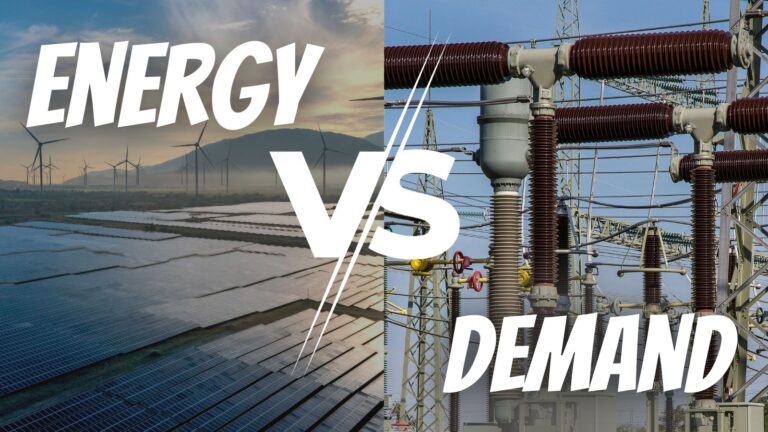
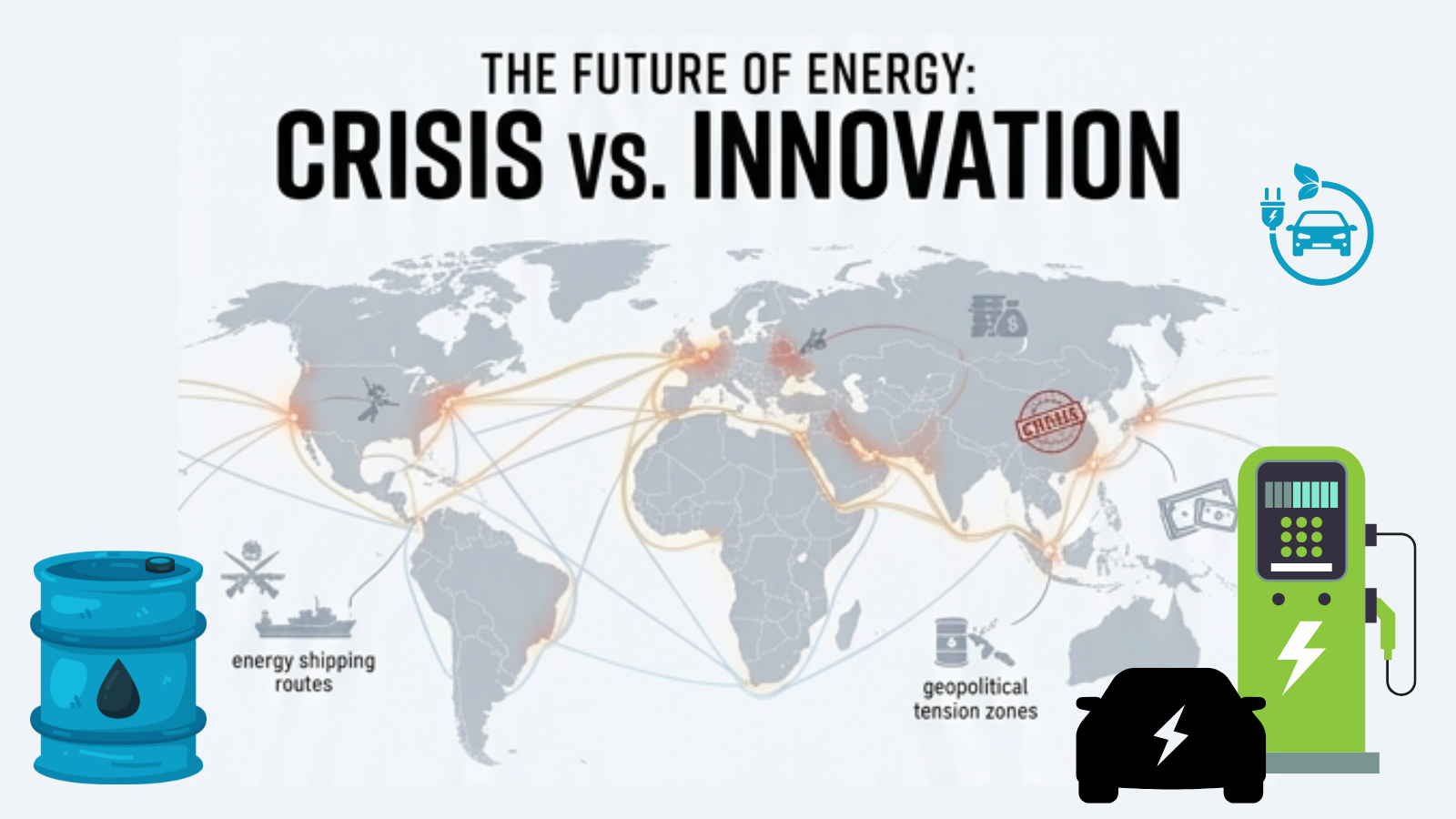

The modern world runs on energy. Transportation, food distribution, manufacturing, communication, healthcare, and basic daily life all depend on a stable energy supply. But one major weakness continues to shape global life: too much of the world still depends on oil. When wars break out, trade routes are threatened, or geopolitical tensions grow, oil markets respond quickly. That response affects real people. It shows up as higher transport costs, delayed goods, inflation, fuel shortages, long queues, and financial pressure on households and businesses.
This is not just a problem for one region. It is a global issue. A conflict in one part of the world can affect fuel prices on the other side of the planet. That is the nature of interconnected energy systems. Whether someone is a commuter, fleet operator, student, engineer, manufacturer, or business owner, the impact can be immediate and painful. Fuel-dependent economies are vulnerable because they rely on supply chains they do not fully control.
That is why electric vehicles and renewable energy deserve serious attention. These are no longer just environmental topics. They are practical tools for resilience. They offer a path away from complete dependence on imported liquid fuels. They create options. They improve flexibility. During periods of instability, having options can make the difference between disruption and continuity.
From an engineering perspective, the real solution to energy insecurity is not panic. It is a better system design. A resilient system does not rely on a single fragile input. If transport can run on electricity rather than only petrol or diesel, and if that electricity can increasingly come from solar, wind, hydro, or other local renewable sources, then society becomes less exposed to oil shocks and conflict-driven supply disruptions. That is the deeper reason EVs and renewable energy matter today.
Why Global Conflict Still Creates Fuel Crises
Oil remains one of the most politically sensitive energy resources in the world. It is traded globally, transported through strategic routes, and affected by war, sanctions, shipping risks, and international diplomacy. When major producing regions face instability, the whole market feels it. Prices rise not only because of actual supply loss, but also because of uncertainty. Traders, importers, and governments react to risk, and that reaction pushes fuel costs higher.
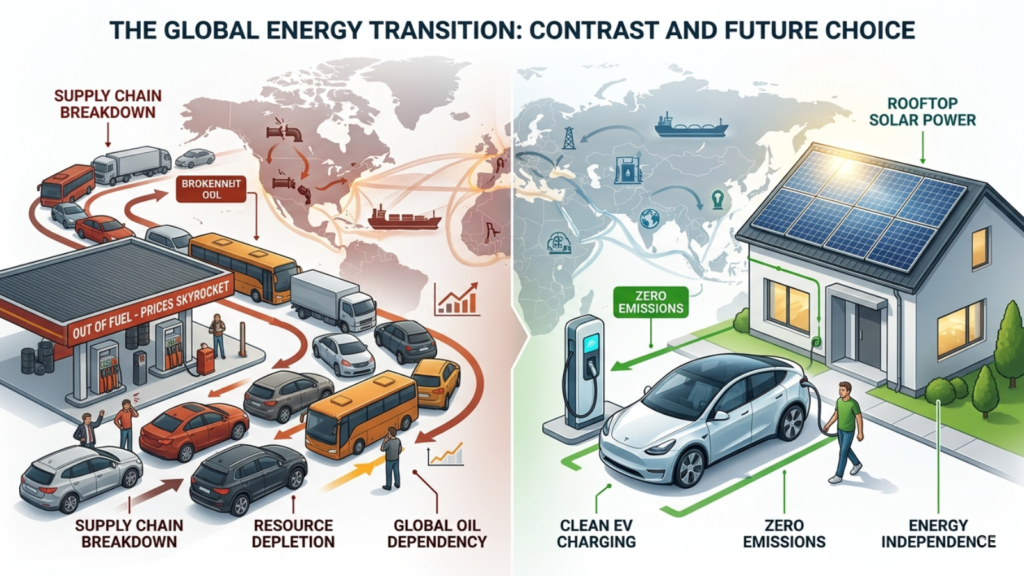
For ordinary people, the consequences are not abstract. When oil becomes more expensive or harder to deliver, transport costs rise. Public transportation can become strained. Food prices can increase because agriculture and logistics depend heavily on fuel. Small businesses can struggle with delivery costs. Households may face reduced mobility. In countries with weak supply systems or limited foreign currency reserves, the situation can become much worse. Long queues form. Essential services come under pressure. Economic stress becomes visible in everyday life.
This is why energy resilience should be part of long-term planning for both individuals and nations. The world has already seen how quickly fuel disruptions can spread through the economy. The lesson is clear. If a transport system depends almost entirely on oil, it will remain vulnerable to every serious geopolitical shock.
The Real Survival Strategy Is Reducing Dependence on Oil
When people think about surviving oil shortages, they often think first about storage, emergency planning, or cutting travel. Those steps can help in the short term, but they do not solve the core engineering problem. The real issue is dependency. The more dependent a household, business, or country is on liquid fuels, the more exposed it is to disruption.
The better strategy is to reduce that dependency over time. That means electrifying transport where practical, improving energy efficiency, and increasing the share of energy that can be generated locally. This is where EVs and renewable energy become powerful. Together, they shift the energy model from fuel purchase to energy access. That is a major difference.
A petrol or diesel vehicle needs a constant supply of refined fuel delivered through a long and vulnerable chain. An EV needs electricity, but electricity can come from many sources. It can come from the national grid, from rooftop solar, from workplace charging, from local battery-backed systems, or from community charging infrastructure. That flexibility is one of the strongest advantages of electrification.
Why EVs Make Sense During Oil Shortages
Electric vehicles reduce direct dependence on oil. That is their most important advantage in times of conflict and fuel disruption. A driver using an EV is no longer fully tied to petrol stations or diesel availability. That alone creates a level of independence that combustion vehicles cannot provide.
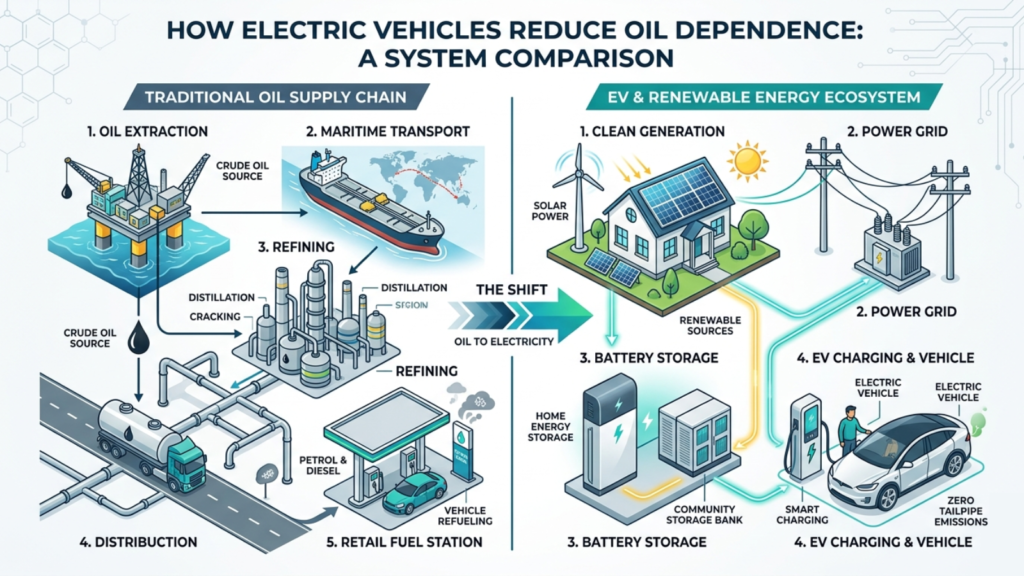
From an engineering standpoint, EVs are also highly efficient. Internal combustion engines waste a significant portion of input energy as heat. EV drivetrains convert a much larger share of electrical energy into useful motion. This means less energy is wasted in the process of moving people and goods. Higher efficiency usually leads to lower running costs and better use of available energy resources.
Another important advantage is charging flexibility. A conventional vehicle must be refueled at a liquid-fuel station. An EV can be charged in several ways, depending on the infrastructure. Home charging is often the most valuable option because it allows drivers to recharge when the vehicle is parked for long periods. That reduces the need for frequent trips to filling stations. In a fuel shortage scenario, that convenience becomes a resilience feature.
EVs also offer lower maintenance in many use cases. They have fewer moving parts, no engine oil, no exhaust system, and less mechanical complexity in daily operation. Over time, this can reduce maintenance costs and downtime. For private owners, this improves affordability. For commercial fleets, it improves operational reliability.
In cities, EVs offer another important benefit: they improve local air quality. During crisis periods, urban populations already face stress. Cleaner transport reduces one additional burden by lowering tailpipe emissions in populated areas. That may not solve the fuel crisis, but it improves public health and city living conditions.
The Advantages of Renewable Energy in an Uncertain World
Renewable energy strengthens the EV case because it makes electrification more resilient and more sustainable. If electricity depends entirely on imported fossil fuels, then some vulnerability remains. But when a growing share of electricity comes from solar, wind, hydro, geothermal, or other renewable sources, the system becomes more diversified.
One of the biggest advantages of renewable energy is that it is local by nature. Sunlight does not need to be imported by ship. Wind does not pass through an international chokepoint. A country, company, or homeowner can generate part of their energy near the point of use. That reduces transmission losses in some cases, lowers exposure to fuel volatility, and improves long-term energy security.
Solar energy is especially important because it is modular. It can serve large utility-scale projects, commercial buildings, schools, factories, warehouses, homes, and remote communities. A rooftop solar system may not replace the entire grid, but it can offset a meaningful portion of electricity use. When combined with battery storage, it becomes even more useful during outages or supply instability.
Renewable energy also improves long-term cost stability. Fossil fuel prices are volatile because they depend on extraction costs, transportation, geopolitics, currency fluctuations, and market speculation. Renewable systems require upfront investment, but their operating energy input is free once installed. That makes them attractive for long-term planning. In a world where shocks are becoming more common, cost predictability has real value.
Why EVs and Renewable Energy Work Best Together
EVs are valuable on their own, but their full strength appears when they are connected to a cleaner and more distributed power system. An electric car charged from a solar-supported grid or from a rooftop solar system becomes more than a vehicle. It becomes part of an energy resilience strategy.
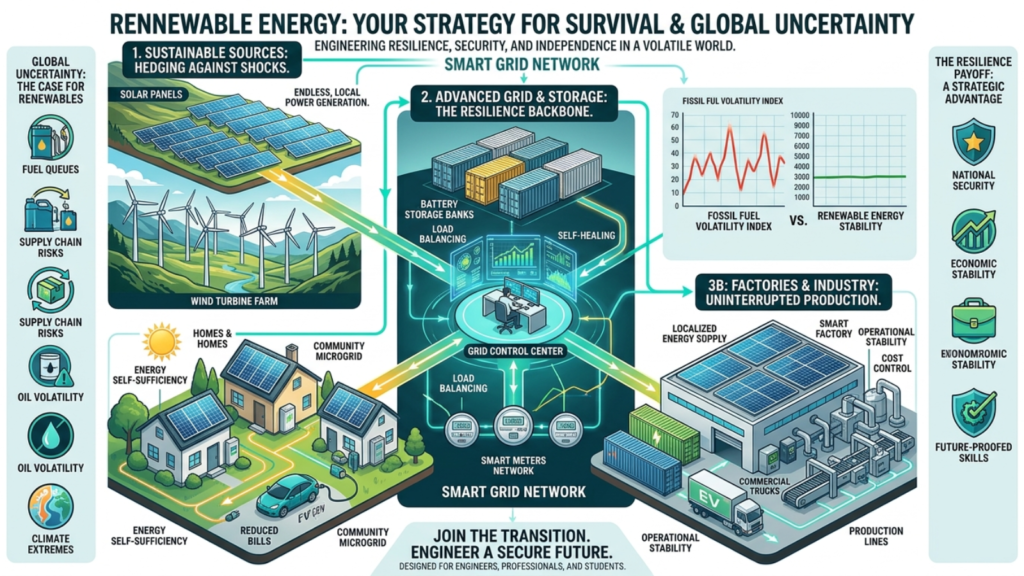
This is important because future energy systems will not be built around only one technology. The strongest systems combine several elements: efficient vehicles, renewable electricity, battery storage, smart charging, stronger grids, and better energy management. When these elements work together, dependence on imported oil drops, and overall system flexibility increases.
For households, this could mean using rooftop solar to reduce electricity bills while also lowering the cost of EV charging. For businesses, it could mean operating electric delivery vehicles supported by solar carports and battery storage. For cities, it could mean electrified public transport supported by renewable power and smarter grid planning. For countries, it could mean lower oil import exposure, improved balance of payments, and greater energy independence.
From an engineering perspective, this is the right direction because it improves redundancy. A resilient system should never depend entirely on one fuel, one route, or one external supplier. EVs and renewable energy help create a more balanced and distributed energy structure.
What People Can Do to Survive Fuel Shortages More Effectively
The first step is to think in terms of exposure. Every household or business should ask a simple question: how much of our mobility and daily function depends entirely on liquid fuel? Once that is clear, it becomes easier to see where changes can be made.
For some people, shifting fully to an EV may already be practical. For others, the transition may start with reducing unnecessary fuel use, choosing more efficient transport options, and preparing for future electrification. Households that own property can evaluate whether rooftop solar makes sense. Businesses with parking areas can explore charging infrastructure. Fleet operators can study route patterns and identify where electric vehicles are already technically and financially viable.
Energy efficiency should not be ignored. Efficient appliances, better building design, smart load management, and reduced wastage all improve resilience because they lower total energy demand. In engineering, reducing demand is often just as valuable as expanding supply. A household or business that uses energy more efficiently can adapt more easily during shortages.
Governments and utilities also have a major role. They need to strengthen grids, support charging networks, encourage clean generation, and create long-term policies that reduce energy insecurity. But at the individual level, the key insight remains simple: the less dependent you are on volatile fuel supply chains, the more resilient you become.
The Challenges We Should Acknowledge Honestly
A realistic article should admit that the transition is not perfect or effortless. EV charging infrastructure still needs to expand in many parts of the world. Grid capacity must be upgraded in some regions. Upfront costs can still be a barrier for many buyers. Renewable energy systems need planning, financing, and technical support. Battery production also raises questions about supply chains, materials, recycling, and responsible manufacturing.
These are real issues, but they are not reasons to ignore the transition. There are engineering and policy challenges that need solving. In fact, the growing urgency of energy security makes them even more worth solving. The world has already paid a high price for overdependence on unstable fuel systems. Building a stronger alternative is no longer optional. It is a practical necessity.
The Future Is About Energy Resilience, Not Just Energy Supply
The conversation should move beyond simply asking where energy comes from. The better question is how resilient the energy system is when pressure rises. Can people still move, work, and live when oil prices spike? Can businesses continue operating during supply disruptions? Can cities reduce dependence on imported fuels? Can families protect themselves from repeated energy shocks?
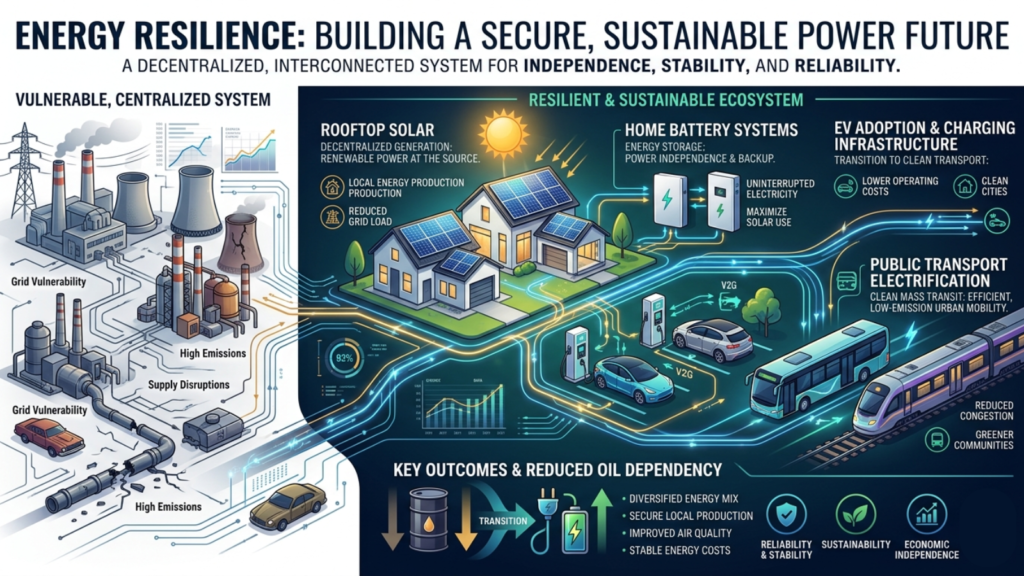
EVs and renewable energy help answer those questions in a constructive way. They do not remove every challenge, but they reduce vulnerability. They create flexibility. They make local action more possible. They improve the balance between cost, reliability, and independence.
That is why the move toward electric mobility and renewable generation matters so much in today’s world. It is not just a trend. It is part of a broader shift toward systems that can survive disruption more effectively.
Conclusion
Global conflict and oil shortages remind us that energy security is deeply connected to daily life. When fuel systems fail or become unstable, the consequences spread quickly across transport, food supply, business operations, and household finances. The old model of total dependence on oil leaves too many people exposed.
Electric vehicles and renewable energy offer a better path. EVs reduce direct reliance on petrol and diesel. Renewable energy reduces dependence on imported fuels and improves long-term energy stability. Together, they create a stronger and more flexible energy system for households, businesses, and entire nations.
From an engineering point of view, this is not about idealism. It is about resilience. The future belongs to systems that can continue working under stress. Every EV added to the road, every solar installation placed on a roof, every battery integrated into the power system, and every step toward electrification make society less fragile.
In a world where conflict can shake oil markets overnight, energy freedom is no longer just a political slogan or an environmental ambition. It is a survival strategy.
Frequently Asked Questions
Are EVs really useful during oil shortages?
Yes. EVs are useful because they reduce direct dependence on petrol and diesel. If electricity remains available, drivers can continue moving even when fuel supply becomes limited or expensive. This makes EVs a practical option during oil-related disruptions.
Do EVs still help if the electricity grid is not fully renewable?
Yes. Even when the grid is not fully renewable, EVs can still reduce oil dependence and improve energy efficiency. As grids become cleaner over time, the environmental and energy-security benefits of EVs become even stronger.
Why is renewable energy important during global conflict?
Renewable energy improves energy security because it can be produced locally. Solar, wind, and hydro reduce dependence on imported fuels and vulnerable supply chains. This makes countries and communities more resilient during conflict or trade disruption.
Can solar power help charge EVs?
Yes. Rooftop solar can help reduce the cost of EV charging, especially during daytime hours. When combined with battery storage or smart charging, solar can become an even more valuable part of a household or business energy strategy.
What is the biggest advantage of EVs over fuel-powered vehicles in a crisis?
The biggest advantage is flexibility. Fuel-powered vehicles rely completely on liquid-fuel supply chains. EVs can use electricity from multiple sources, including the grid, solar systems, workplace charging, and local energy infrastructure.
Are renewable energy systems expensive to install?
They often require upfront investment, but they can reduce long-term energy costs and improve resilience. For many users, the value comes not only from savings but also from greater independence and reduced exposure to fuel price shocks.
Is this transition only for rich countries?
No. In fact, distributed renewable energy and electric mobility can be especially valuable in developing regions where fuel import dependence creates serious economic vulnerability. The pace and form of adoption may differ, but the core advantages are global.