
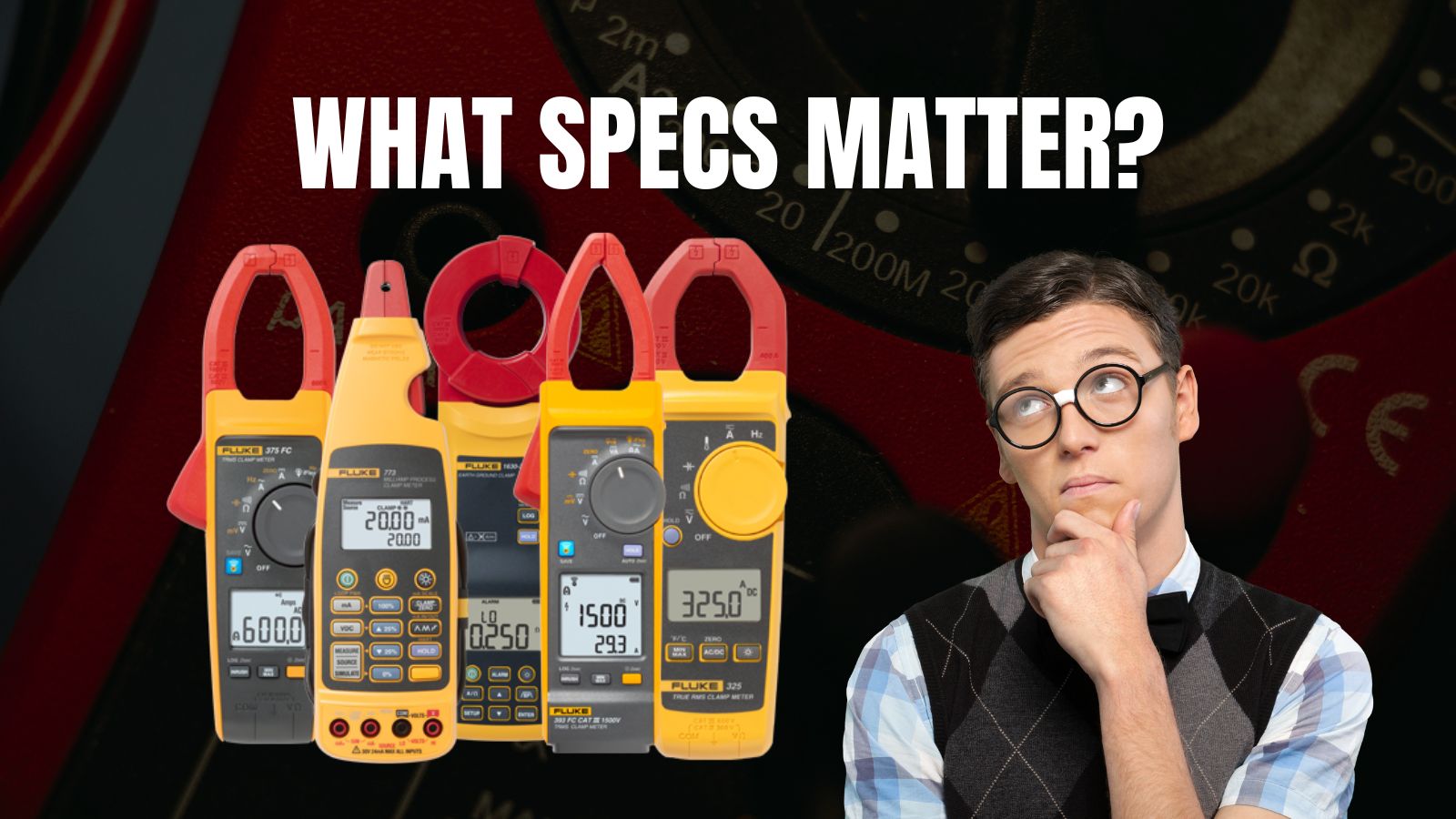

A clamp meter is one of the most useful tools in electrical work. It measures current without cutting the wire. You simply clamp the jaws around one conductor. That is safer. It is also faster. This is why electricians love clamp meters. It is also why students and technicians buy one early. But choosing a clamp meter can be confusing. Many models look similar. Specs sound technical. Marketing terms are everywhere. And the “best” meter depends on what you actually do. This guide practically explains clamp meters. It focuses on real buying decisions. It uses short sentences when needed. It also helps you avoid common mistakes.
What Is a Clamp Meter?
A clamp meter measures current by sensing the magnetic field around a conductor. Current creates a magnetic field. The clamp detects it. Then the meter converts it into a current reading. The key advantage is this: you do not have to open the circuit. That means you reduce risk. You also save time.
Most clamp meters can measure other things too. Voltage is common. Resistance is common. Continuity is common. Many models also measure frequency, capacitance, and temperature. Some include inrush current. Some include power factor. It depends on the model. But the current measurement is the main reason you buy a clamp meter.
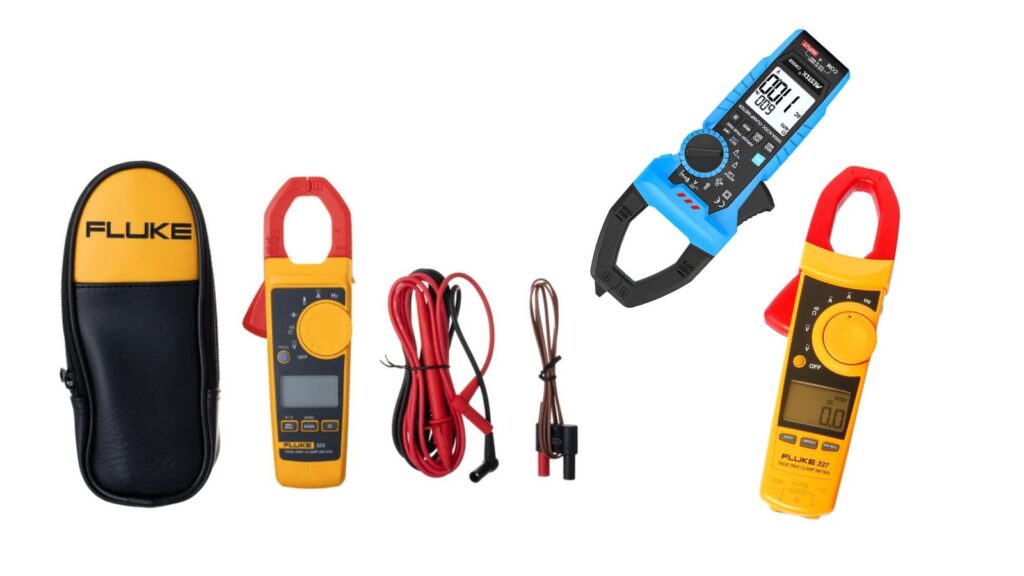
Who Should Buy a Clamp Meter?
Clamp meters are useful in many situations. They are perfect for electricians who work on distribution boards, lighting circuits, and motors. They are useful for HVAC work, too. They help you check compressor current and diagnose issues quickly. They also help solar and inverter technicians. Current checks matter in DC strings and battery lines. Students also benefit. A clamp meter makes lab work easier. It also improves troubleshooting skills. You can confirm the current without disturbing the circuit. If you often measure current above 10 A, a clamp meter becomes more convenient than a basic multimeter.
The Big Choice: AC Clamp Only vs AC/DC Clamp Meter
This is the first buying decision. It matters a lot.
AC clamp meters
Many clamp meters measure AC current only. These are common. They are also cheaper. They are ideal for mains circuits, lighting, and AC motors.
AC/DC clamp meters
An AC/DC clamp meter can measure both AC and DC current with the clamp. This is important for solar systems, battery systems, DC motors, EV chargers, and inverter DC lines. If you work with solar, UPS, or batteries, choose AC/DC. If you work only on mains AC, an AC-only clamp meter can be enough. A common mistake is buying AC-only and then needing DC later. That upgrade usually costs more than buying correctly at the start.
Clamp Meter Sensor Type: Current Transformer vs Hall Effect
This explains why some meters measure DC, and some do not. Most AC-only clamp meters use a current transformer method. It works well for AC. It does not measure DC. AC/DC clamp meters use a Hall effect sensor. It can detect both AC and DC magnetic fields. That is why they cost more. So if you need DC current, look for “Hall effect” or “AC/DC clamp” in the specs.
Jaw Size and Opening (Bigger Matters)
Jaw size is often ignored. Then people regret it.
Jaw opening tells you the maximum conductor size the clamp can fit around. Bigger jaws are better for thick cables. They are also better for crowded panels. But bigger jaws can reduce access in tight spaces. So balance matters. For basic homework, small jaws can be fine. For industrial work, you often need a larger opening. If you work on large feeders, you need it. When buying, imagine your most common job. Think of the biggest cable you will clamp. Then choose jaw size accordingly.
Current Range and Resolution
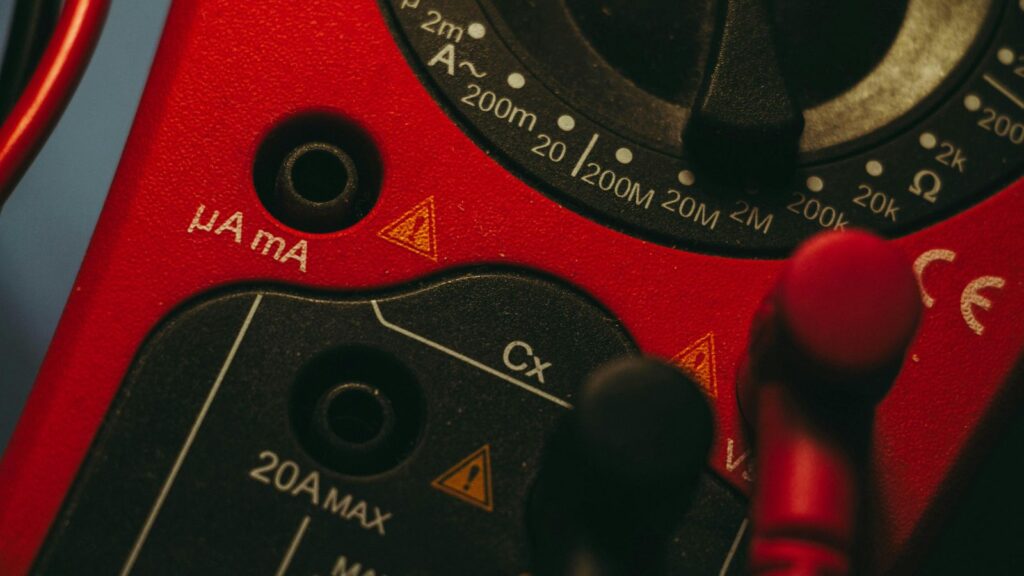
Clamp meters have current ranges. They also have resolution. These two are not the same. Range tells you the maximum current it can measure. Resolution tells you how small a change the meter can show. Good resolution helps when you measure small currents, like standby loads or control circuits. A typical clamp meter might measure up to 400 A or 600 A. Some go to 1000 A. Higher range is useful for heavy loads. But it is not always needed.
If you do HVAC, motor current can be high during start. If you do industrial, currents can be very high. For normal household circuits, a 400 A clamp range is usually enough. But also check the low end. Many users want to measure low currents too. That is where resolution matters.
True RMS vs Average Responding (Very Important)
This is one of the most important clamp meter specs. It affects accuracy in real situations.
Average-responding meters
These meters assume the AC waveform is a clean sine wave. That works in many cases. But modern loads are often not pure sine. Chargers, LED drivers, inverters, and variable speed drives distort waveforms. If the waveform is distorted, an average meter can give wrong readings.
True RMS meters
True RMS meters measure AC more accurately when waveforms are not pure sine waves. In modern electrical work, True RMS is strongly recommended. If you work with electronics, LED lighting, UPS systems, or VFD motors, True RMS is not optional. It is a real performance spec.
So if you want a “buy once” clamp meter, choose True RMS.
Accuracy Specs: What to Look At
Accuracy is usually shown like this:
“±(2.0% + 5 digits)”
This means the meter can be off by a percentage plus a few counts. Accuracy depends on range too. It also depends on frequency and waveform. In real buying, you do not need perfect lab accuracy. But you want consistent readings. You also want a meter that does not drift easily. As a rule, choose a meter with reasonable accuracy for current and voltage. If you use it for billing-level measurements, you need higher accuracy. But most field work does not.
Inrush Current Measurement (For Motors and Compressors)
Inrush current is the start-up current of a motor or compressor. It can be several times higher than the running current. It happens for a short time. A clamp meter with “inrush” mode captures that peak. This feature is valuable for HVAC work, pump troubleshooting, and motor diagnostics. If you work with motors often, consider this feature. It helps you detect failing motors and overloaded systems. It also helps you choose the correct protection.
If you only measure steady loads, you may not need inrush.
Frequency Measurement (Hz)
Frequency measurement is common in many clamp meters. It is helpful in AC systems. It can confirm the generator output. It can confirm the inverter frequency. It can also help in troubleshooting drives. If you work with inverters, frequency measurement is useful. If you work on standard mains only, it is less critical. Still, it is a nice feature.
Voltage Measurement: How Much Does It Matter?
Most clamp meters measure voltage using test leads like a multimeter. This is important. Many jobs require both current and voltage checks. Make sure the meter supports your typical voltage range. In many countries, 600 V category meters are common. Some go higher. Also, check whether it measures AC and DC voltage. Many do both. If you want one tool to do many tasks, good voltage measurement matters.
Resistance, Continuity, and Diode Test
These features turn a clamp meter into a general electrician’s meter. Continuity mode is extremely useful. It helps you check fuses, wires, and connections quickly. A loud, fast continuity buzzer is important. Slow continuity is frustrating in the field. Resistance measurement helps with basic checks. Diode test helps with electronics troubleshooting. Not every electrician uses it. But it can be useful. If you already own a multimeter, you may not need all these. But it is still convenient to have them in one device.
Capacitance and Temperature (Nice but Not Always Needed)
Capacitance measurement can help in HVAC troubleshooting. Many HVAC systems use capacitors. A clamp meter that measures capacitance can save time. Temperature measurement usually needs a thermocouple probe. It is useful for quick checks. But it is not a replacement for proper temperature tools. These features are a bonus. They should not be the main reason to buy a meter. Prioritize current specs first.
Safety Ratings: CAT III and CAT IV (Do Not Ignore)
This is critical. It is not just a label. It relates to surge protection and insulation.
- CAT II is for small electronics and appliances.
- CAT III is for distribution inside buildings.
- CAT IV is for service entrances and outdoor lines.
If you work on distribution boards and panels, CAT III is important. If you work near service entrances or outdoor feeders, CAT IV is better. Also check the voltage rating. For example, “CAT III 600 V” or “CAT IV 600 V”. A strong safety rating is worth paying for. Do not buy unknown brands with fake CAT labels. Safety is not the place to gamble.
Display and Usability Specs That Matter More Than You Think
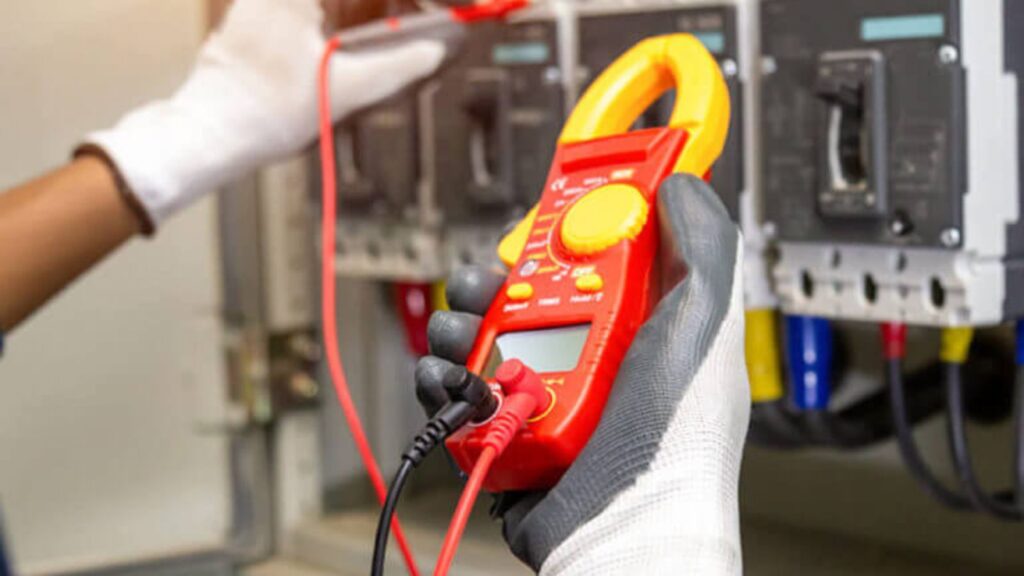
A clamp meter must be easy to use. You will use it in bright sun. You will use it in dark rooms. You will use it in crowded panels.
So pay attention to these:
A backlit display is very helpful. A large display is better. A good hold button helps when you cannot see the screen. Auto-ranging is convenient. Manual range is also useful for stable readings. Also, check the dial and buttons. Cheap meters often have loose dials. That becomes annoying fast. If you can, choose a meter that feels solid in the hand.
Data Hold, Min/Max, and Logging
These features help you capture changing values. Data hold freezes the display. Min/Max records the lowest and highest values. This can be useful when the current fluctuates. Logging is useful for longer tests. Some clamp meters connect to apps through Bluetooth. This can help with reporting and trends. It is not essential. But it can be useful for professional work.
Clamp Meter vs Clamp Adapter (What’s the Difference?)
Some people buy a clamp adapter instead. A clamp adapter outputs a signal that a multimeter reads. This can be useful if you already own a good multimeter. But for most users, a dedicated clamp meter is simpler and faster. If you want a clean tool setup, buy a clamp meter. If you want flexibility and already own a meter, consider an adapter.
Common Buying Mistakes (Avoid These)
Many buyers focus only on maximum amps. Then they ignore True RMS. Or they ignore DC capability. Or they ignore safety categories.
Another mistake is buying the cheapest meter with many “features.” Those features may not work well. The meter may be slow. Readings may jump. The clamp may be inaccurate at low current.
Also, avoid buying a meter with a small jaw if you work on thick cables. It becomes useless quickly.
Finally, do not ignore leads and probes. Bad leads cause false readings and safety risks. A meter is only as good as its accessories.
Quick Checklist: What Specs Matter Most
If you want a simple priority list, use this order.
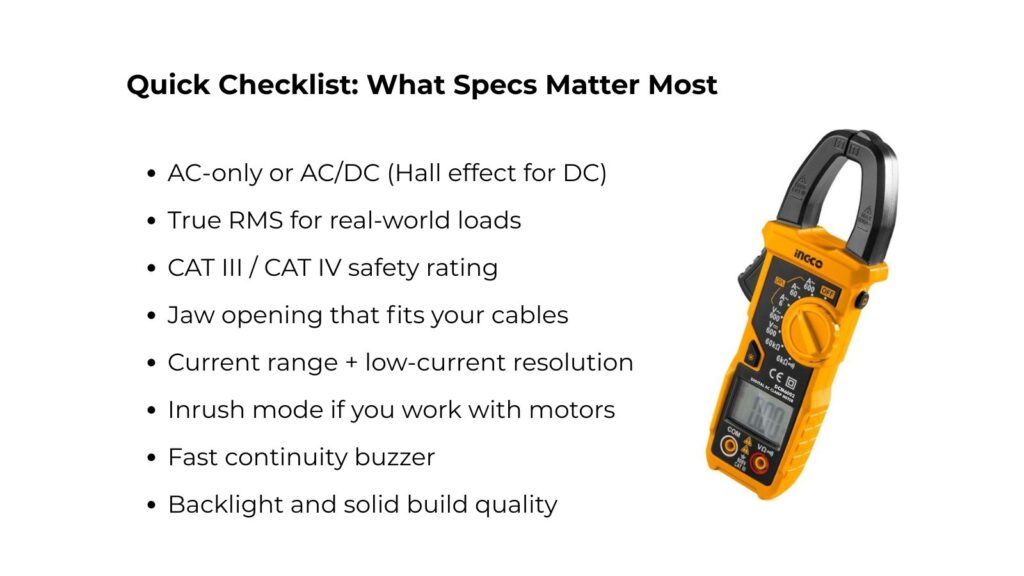
First, choose AC-only or AC/DC clamp. Then choose True RMS. Then choose the safety rating (CAT). Then choose jaw size. Then choose the current range and resolution. After that, consider inrush, frequency, and extra features.
Here is a short checklist you can screenshot:
- AC-only or AC/DC (Hall effect for DC)
- True RMS for real-world loads
- CAT III / CAT IV safety rating
- Jaw opening that fits your cables
- Current range + low-current resolution
- Inrush mode if you work with motors
- Fast continuity buzzer
- Backlight and solid build quality
That list helps you buy with confidence.
Best Clamp Meter Type for Each User
If you want a quick recommendation, style:
If you are a student, a True RMS AC clamp meter with a good safety rating is a strong start. If you plan to work with solar later, consider AC/DC.
If you do home wiring and basic electrical work, choose True RMS and CAT III. You will use it for years.
If you do HVAC, choose True RMS, inrush mode, and capacitance. That combination helps most.
If you do solar, UPS, or inverters, choose AC/DC clamp with True RMS. DC clamp capability matters.
If you do industrial, choose a higher CAT rating, a larger jaw, and strong build quality. These jobs demand reliability.
Final Words
A clamp meter is not just a tool. It is a time-saver. It improves safety. It improves troubleshooting. But only if you buy the right one. The specs that matter most are simple. Decide if you need DC current. Choose True RMS. Do not ignore CAT ratings. Choose a jaw size that fits your work. Then check usability features like backlight and continuity speed.
Once you choose based on these points, you will avoid most buying regrets. You will also get a meter that fits your daily work. Check the voltage drop calculator from here – Voltage Drop Calculator